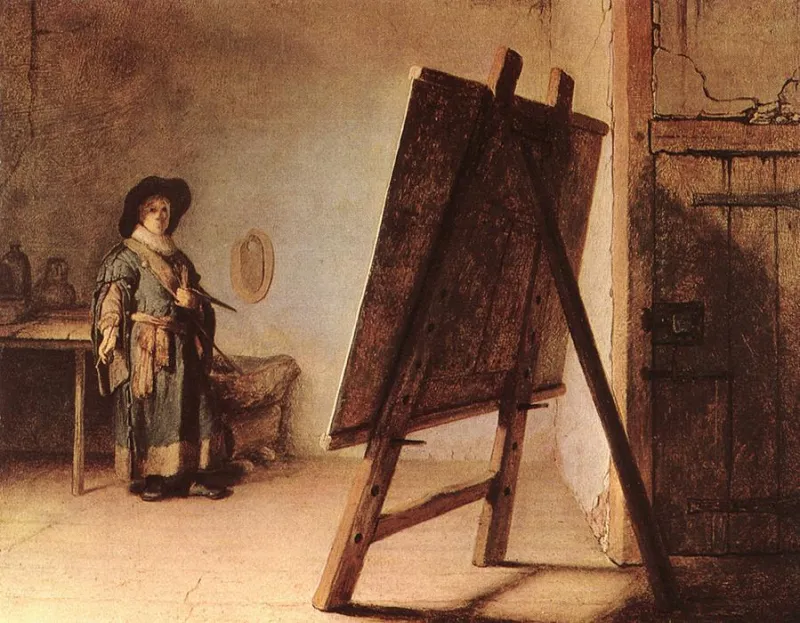
When the Algorithm Picks Your Color Palette
The comments section feels like connection, but it's quietly becoming a creative director. On the slow drift from making art to making content that performs.
Category
7 articles
The comments section feels like connection, but it's quietly becoming a creative director. On the slow drift from making art to making content that performs.
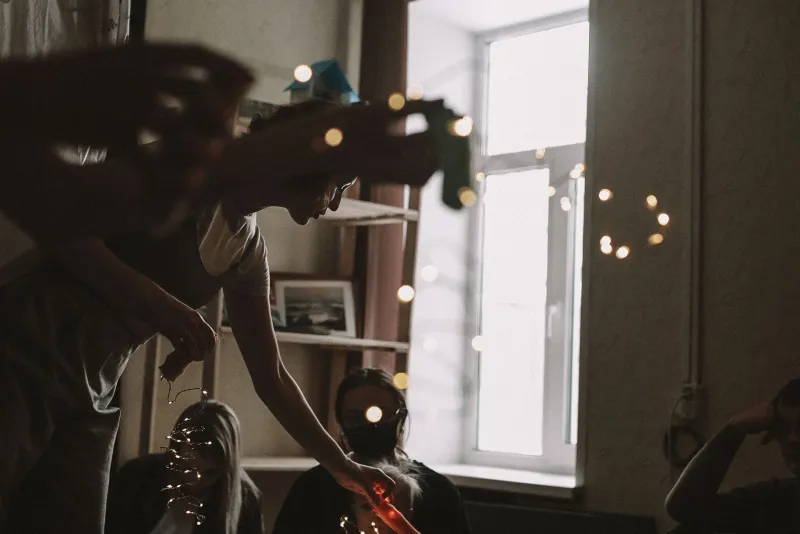
In a world obsessed with reach and virality, the most sustainable creative careers are being built by people who stopped chasing numbers and started serving the small, devoted group of people who actually show up. Learning to identify — and create specifically for — your true audience might be the most important shift you make as a creator.
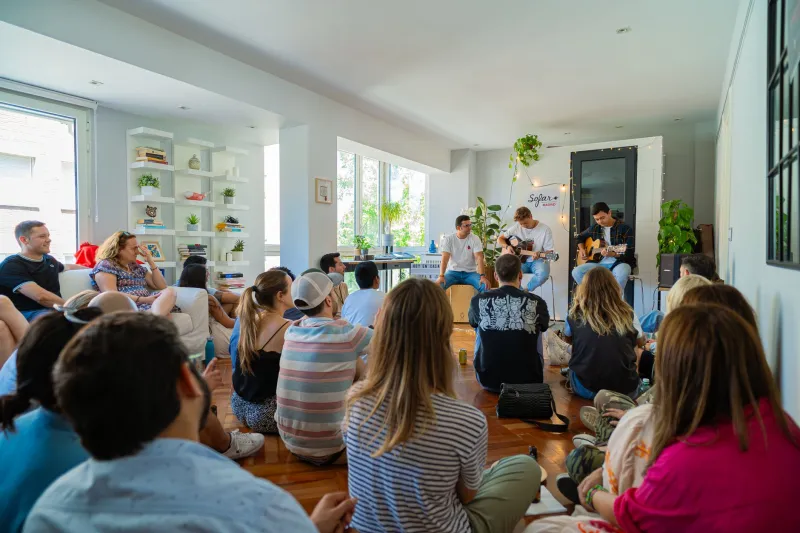
The numbers game has been lying to us. While everyone's chasing follower counts and viral moments, a quieter revolution is happening — creators with smaller, obsessively devoted audiences are building longer careers, deeper impact, and a whole lot more joy. Here's why the cult following is the actual flex.

Building something from scratch — without a guaranteed audience, a brand deal, or even a single person asking for it — is one of the most expensive things a person can do with their time and energy. This is the part of creative independence nobody puts in the caption.
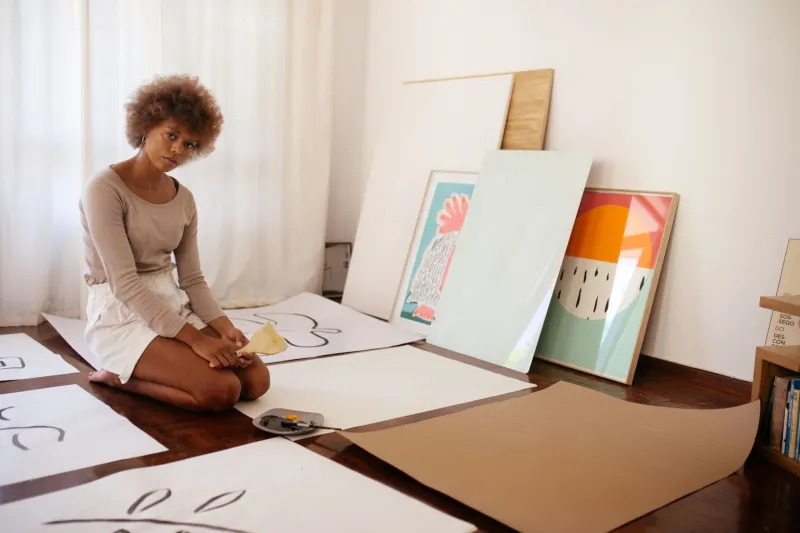
The success stories you read online have a funny habit of skipping the part where everything was uncertain, awkward, and kind of embarrassing. But that invisible stretch — the messy middle — is where real creative voices actually get built. Let's talk about what it actually looks like in there.
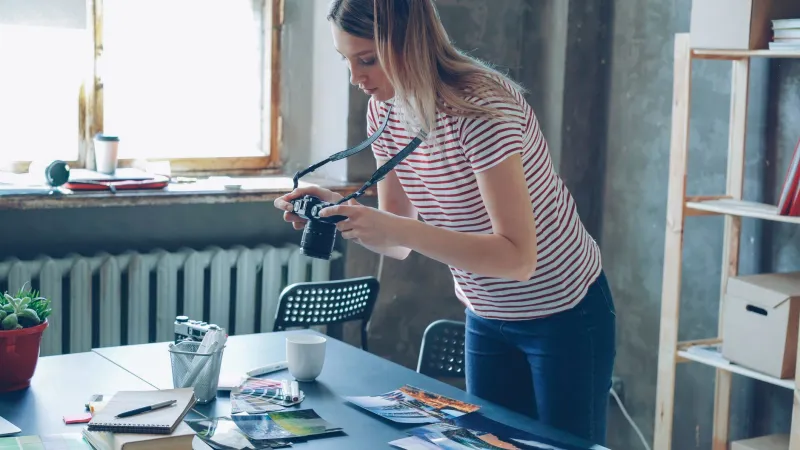
The viral-or-bust mentality is burning out a generation of creators before they even find their footing. Here's why building slowly, intentionally, and inside a niche community might be the most radical — and effective — thing you can do for your creative career right now.
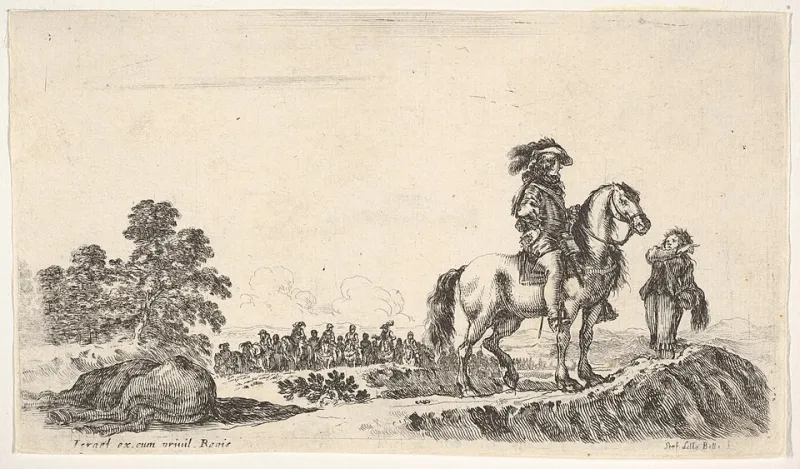
Something is shifting in the creative underground, and it's louder than the algorithm wants you to think. A new wave of artists across music, visual art, and digital media is actively rejecting the pressure to be trend-legible — and in doing so, they're making some of the most culturally significant work in years. We talked to a few of them about what it actually means to make art in 2026 on your own terms.